
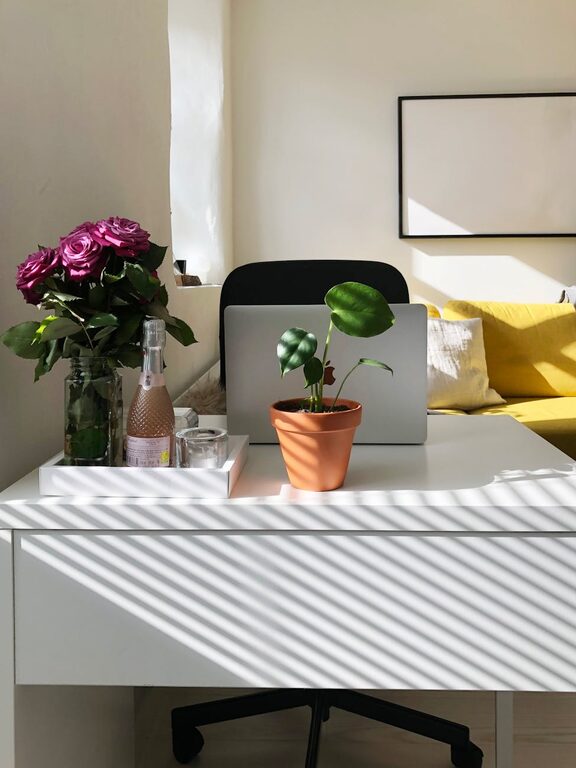
Creating a cozy and functional home office space is essential for anyone working remotely or studying from home. A well-designed office not only boosts your productivity but also makes your workday more pleasant and less stressful. Whether you have a dedicated room or just a small corner, you can create an inviting workspace that fits your needs. Here are some helpful tips to get you started.
Choose the Right Location
Finding the right spot for your home office is the first step towards functionality and comfort.
– Quiet and Low-Traffic Area: Select a place in your home where distractions are minimal. Avoid noisy spots like near the TV or kitchen.
– Natural Light: Position your desk near a window to benefit from daylight, which can improve your mood and focus.
– Adequate Space: Make sure there’s enough room for your desk, chair, and any equipment you need.
Invest in Ergonomic Furniture
Comfort is key when spending long hours working at home.
– Ergonomic Chair: Choose a chair that supports your back and encourages good posture. Adjustable height and lumbar support are ideal.
– Desk Height: Your desk should be at a height where your forearms are parallel to the floor when typing.
– Consider a Sit-Stand Desk: Alternating between sitting and standing can reduce discomfort and boost energy.
Optimize Lighting
Proper lighting reduces eye strain and enhances focus.
– Combine Natural and Artificial Light: Use daylight when possible and add a good desk lamp with adjustable brightness.
– Avoid Glare: Position your screen to prevent glare from windows or lights.
– Warm Light for Comfort: Warm white light can make your office feel cozier than harsh fluorescent bulbs.
Organize with Storage Solutions
Clutter can hinder productivity and increase stress.
– Use Shelves and Cabinets: Store documents, books, and supplies neatly out of sight to keep your desktop clear.
– Desk Organizers: Use trays, pen holders, and file racks to keep essentials within reach.
– Cable Management: Use clips or channels to keep cables tidy and prevent tangling.
Personalize Your Space
Adding personal touches can make your workspace inviting and inspiring.
– Decorate with Plants: Indoor plants improve air quality and add a touch of nature.
– Artwork and Photos: Hang calming or motivating artwork and personal photos.
– Textiles: Use cushions, rugs, or blankets in soft textures and warm colors to enhance coziness.
Minimize Noise and Distractions
Keeping distractions low helps maintain focus during work hours.
– Noise-Cancelling Headphones: These are a great tool if your home is noisy.
– White Noise Machines or Apps: Background sounds like white noise or nature sounds can improve concentration.
– Set Boundaries: Communicate your work hours to family or roommates to limit interruptions.
Technology and Connectivity
Reliable technology is a must-have for an efficient home office.
– Stable Internet Connection: Ensure you have fast and consistent internet service.
– Quality Hardware: Invest in a good computer, keyboard, mouse, and monitor that suit your work.
– Backup Power and Data: Consider a power strip with surge protection and a backup system for important files.
Establish a Routine and Keep the Office Dedicated
Separating work from leisure helps maintain a healthy work-life balance.
– Dedicated Workspace: Try to keep your office area used only for work.
– Regular Breaks: Stand up and move around regularly to avoid fatigue.
– End-of-Day Ritual: Clear your desk and turn off work devices to signal the end of the workday.
—
By paying attention to these factors, you can create a home office that feels comfortable, supports your productivity, and adapts to your personal style. Remember, a well-designed workspace benefits both your work and wellbeing, making each workday more enjoyable.